


Optimizing Revenue Cycle Management in Dental Practices
A healthy dental practice depends on more than providing excellent patient care. Behind every successful practice is an efficient revenue cycle that ensures services are properly documented, claims are submitted accurately, payments are collected on time, and outstanding balances are actively managed.
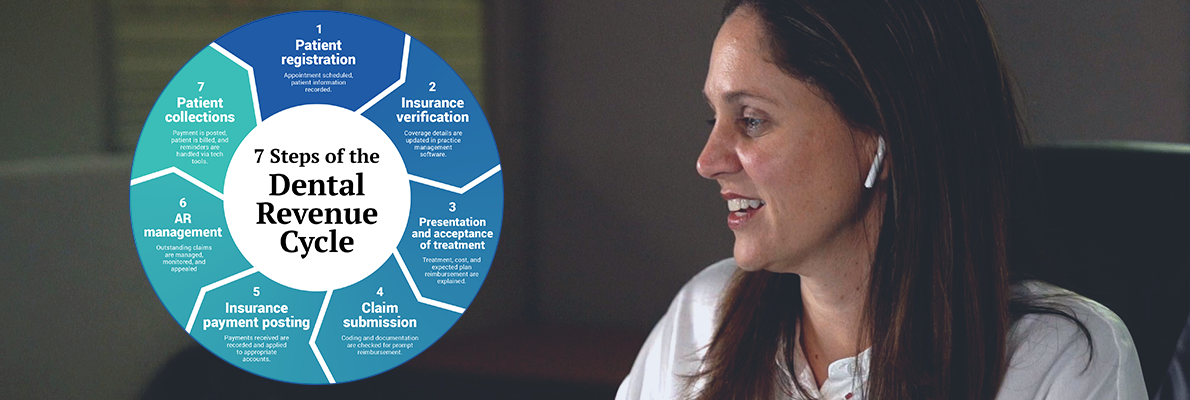
From patient registration and insurance verification to claims processing, payment posting, and accounts receivable follow-up, each stage of the revenue cycle can affect a practice’s cash flow.
For dental practices, billing can become particularly challenging because of changing insurance requirements, eligibility issues, claim denials, missing documentation, coordination of benefits, and patient responsibility balances. Without consistent oversight, small billing issues can quickly turn into delayed payments and growing accounts receivable.
MediCloud Billing Solution LLC provides dental revenue cycle management support designed to help practices streamline their billing operations, reduce avoidable delays, and maintain a more organized revenue cycle.
What Is Dental Revenue Cycle Management?
Dental revenue cycle management, or dental RCM, is the complete process of managing financial transactions from the time a patient schedules an appointment through the collection of payment for services provided.
A typical dental revenue cycle includes:
- Patient registration and demographic verification
- Insurance eligibility and benefits verification
- Insurance information collection and updates
- Procedure documentation and coding
- Claim preparation and submission
- Claim status tracking
- Payment posting and reconciliation
- Denial management and appeals
- Patient balance management
- Accounts receivable follow-up
- Reporting and revenue analysis
When these processes work together, dental practices have better visibility into their revenue and fewer opportunities for payments to be delayed.
Why Dental Practices Need an Efficient RCM Process
Dental practices manage a combination of insurance payments, patient payments, deductibles, copayments, coinsurance, and other financial responsibilities. Even when a claim is submitted correctly, payment can still be delayed because of eligibility problems, incorrect patient information, missing documentation, coding issues, or payer-specific requirements.
An organized RCM process helps identify these issues earlier.
1. Improve Insurance Verification
Insurance verification should happen before services are provided whenever possible. Confirming eligibility, coverage limitations, deductibles, copayments, and benefit information helps practices establish more accurate expectations for both the practice and the patient.
Up-to-date eligibility information can also reduce claim problems caused by inactive coverage or incorrect insurance details.
2. Submit Accurate Claims
Clean and complete claims are essential for timely reimbursement. Claims should contain accurate patient information, provider information, procedure codes, supporting documentation, and payer-specific requirements.
Before submission, billing teams should review claims for common errors that could result in rejection or delay.
A consistent claim submission process can help dental practices reduce avoidable rework and keep claims moving through the payer cycle.
3. Monitor Claim Status
Submitting a claim is only one part of the billing process.
Claims should be monitored after submission to identify rejected, pending, denied, or underpaid claims. Regular follow-up allows billing teams to address problems before they remain unresolved for extended periods.
Without consistent claim follow-up, unpaid claims can accumulate and contribute to increasing accounts receivable.
4. Manage Dental Claim Denials
Claim denials can have a direct impact on practice revenue. Common causes may include eligibility issues, incorrect patient information, coding discrepancies, missing information, coordination of benefits problems, and payer-specific requirements.
Effective denial management involves more than simply resubmitting a claim.
A strong process should identify:
- Why the claim was denied
- Whether the issue can be corrected
- What documentation is required
- Whether an appeal is appropriate
- How similar denials can be prevented in the future
Tracking denial patterns can also help practices identify recurring issues within their billing workflow.
The Importance of Accounts Receivable Management
Accounts receivable represents revenue that has been billed but has not yet been collected. When outstanding balances continue to age, they can create unnecessary pressure on a practice’s cash flow.
Dental practices should regularly review accounts receivable by payer, claim status, aging category, and patient responsibility.
Consistent A/R follow-up can help identify:
- Unpaid insurance claims
- Delayed payer responses
- Incorrect payments
- Underpayments
- Denied claims
- Outstanding patient balances
- Old or unresolved accounts
Instead of allowing unpaid balances to remain in the system, an organized A/R process keeps follow-up consistent and documented.